
Lösungen
Industries
Applications
Solutions
Company
As of 05.11.2026 | 7 min. read
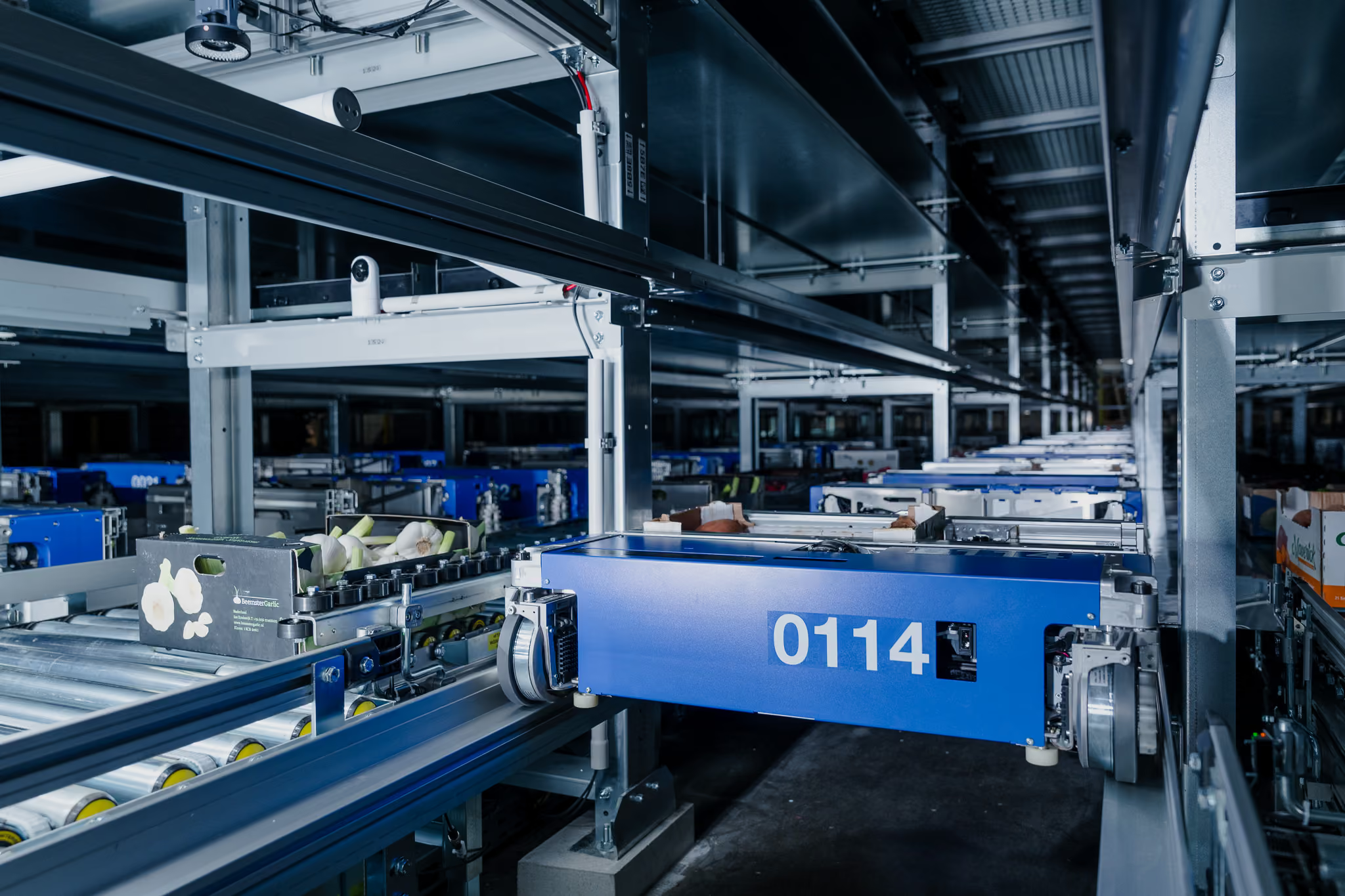
Choosing a warehouse shuttle system is about more than storage capacity and automation speed. The right technology can determine how efficiently a warehouse operates, scales, and adapts to future demands.
But with different shuttle technologies and system architectures available, how can companies identify the solution that truly fits their operations?
From system performance and scalability to software integration and long-term operating costs, several factors influence the success of a warehouse automation project.
Here are seven key considerations to help businesses make an informed investment decision.
When comparing shuttle systems, technical specifications such as travel speed and maximum throughput often receive the most attention. However, these figures do not always reflect performance under real operating conditions.
Warehouse efficiency depends on factors such as SKU variety, order structures, peak demand, and the dimensions of stored goods.
A suitable system should therefore be evaluated based on its ability to maintain reliable performance throughout daily operations.
Key questions include:
Rather than focusing solely on theoretical performance, businesses should prioritize solutions that deliver consistent and efficient material flows under realistic conditions.
The architecture of a shuttle system has a direct impact on warehouse performance, operational flexibility, and maintenance requirements.
Many conventional shuttle systems rely on central lifts or elevators to transport goods between storage levels. Depending on the system design, these vertical transfer points can create bottlenecks and dependencies.
Modern 3D shuttle technologies offer an alternative approach.
At advasolutions, autonomous 3D shuttles move independently across multiple storage levels without requiring central lifts. This lift-free architecture enables flexible movement within the storage structure and reduces dependency on centralized vertical transport equipment.
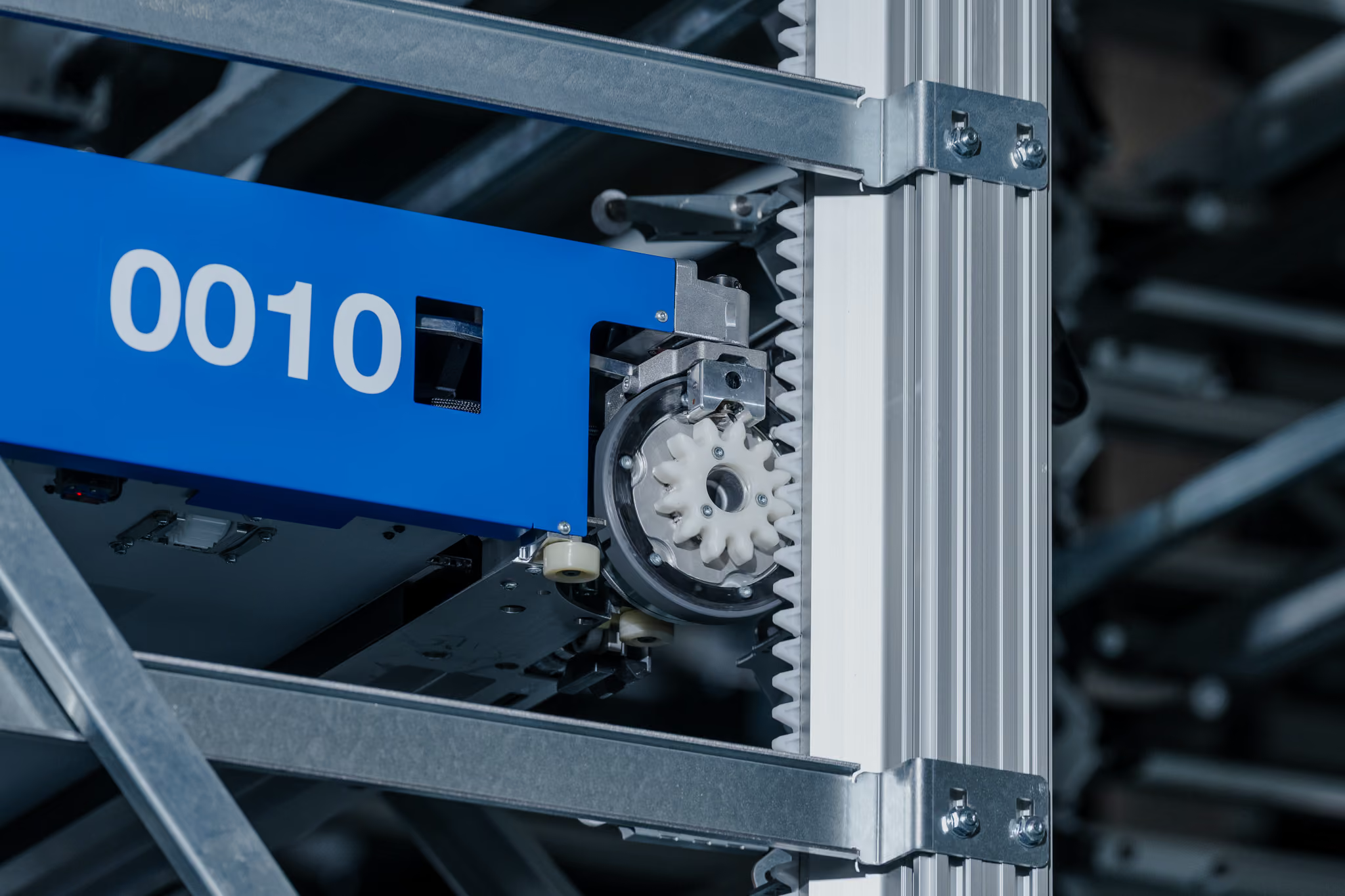
For warehouse operators, this can offer several advantages:
When evaluating shuttle technologies, companies should consider not only how quickly goods move, but also how the underlying architecture influences overall system availability and future adaptability.
Warehouse requirements evolve over time. Product portfolios expand, customer expectations change, and seasonal peaks can create additional pressure on logistics operations.
A warehouse automation solution should therefore be designed to accommodate future growth.
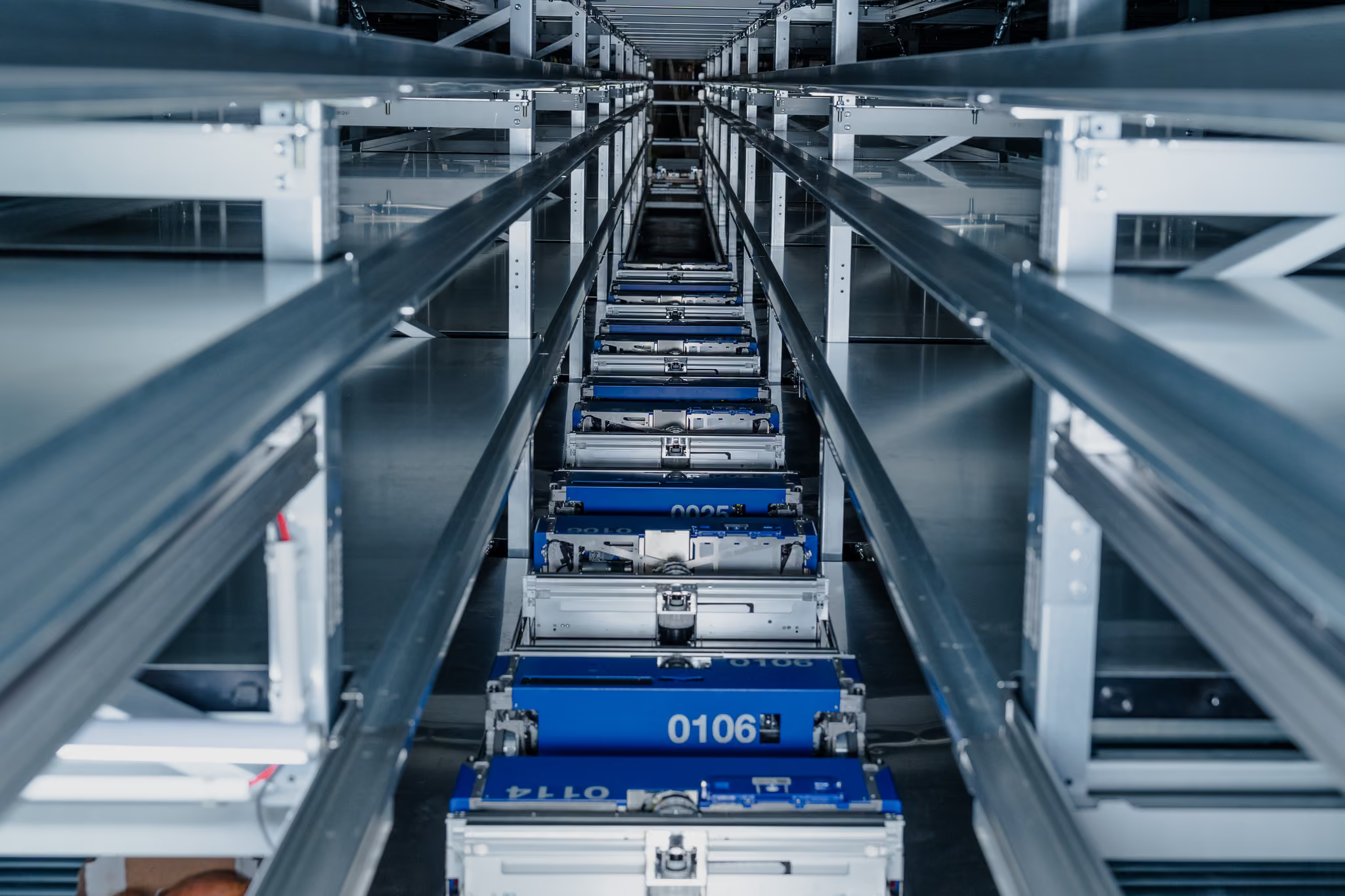
Modular shuttle systems allow businesses to approach automation step by step, expanding storage capacity or system resources as requirements change.
For example, adding shuttle vehicles or extending storage structures can provide additional flexibility, depending on the system architecture and existing capacity.
When selecting a solution, companies should ask:
A scalable solution helps protect the initial investment while allowing warehouse operations to adapt to changing business requirements.
Not every warehouse automation project starts with a new building.
Many businesses want to modernize existing facilities while continuing their daily operations. These brownfield projects often involve structural limitations, established workflows, and restricted installation space.
Ceiling heights, support columns, floor layouts, and existing equipment can all influence the choice of automation technology.
A suitable shuttle system should adapt to the available infrastructure while making efficient use of storage space.
Modular solutions can provide advantages by supporting phased implementation and flexible system configurations.
advasolutions focuses on adaptable storage and shuttle technology designed to support integration into different warehouse environments.
The objective is to combine efficient space utilization with a system architecture that can accommodate operational requirements and future development.
Warehouse automation is only as effective as the software coordinating it.
Even highly advanced shuttle technology requires intelligent control to manage material flows, prioritize tasks, and connect automated processes with existing warehouse operations.
A Warehouse Execution System (WES) plays a central role in coordinating these activities.
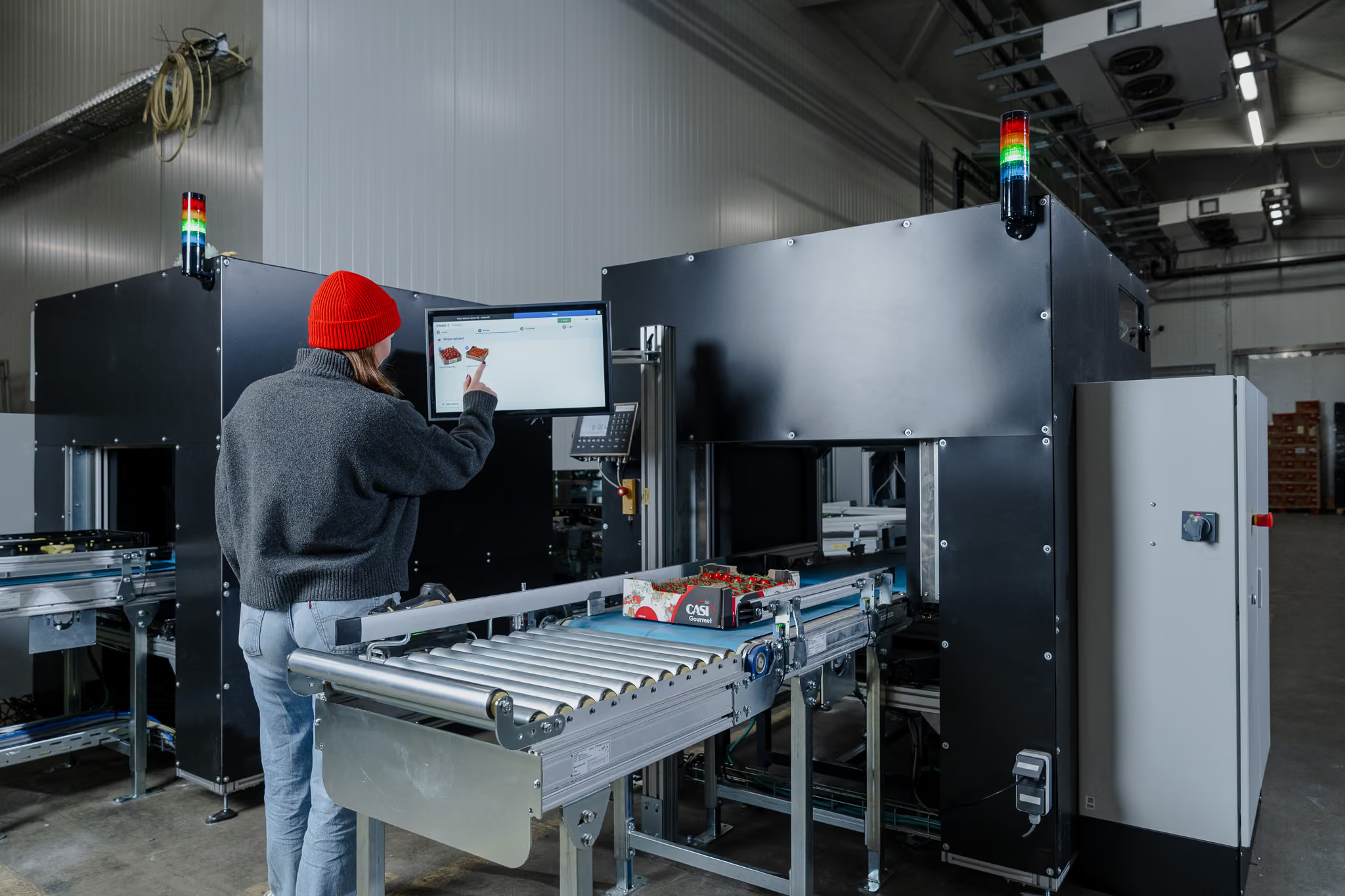
When evaluating automation providers, businesses should consider how the solution integrates with existing Warehouse Management Systems (WMS) and ERP platforms.
Essential capabilities include:
advasolutions combines its autonomous shuttle technology with an in-house Warehouse Execution System and digital twin functionality.
This creates visibility into system activities and supports the coordination and optimization of automated warehouse processes.
By connecting physical automation with digital intelligence, businesses can gain greater control over their intralogistics operations.
The purchase price of a warehouse automation system represents only one part of its long-term cost.
Energy consumption, maintenance, spare parts, software updates, and operational downtime all influence the overall economic performance of the investment.
A comprehensive evaluation should therefore focus on Total Cost of Ownership (TCO).
Important considerations include:
System architecture also affects operational expenses.
For example, solutions that avoid central lift dependencies may reduce certain maintenance requirements and provide greater flexibility when individual components need attention.
The actual economic benefits depend on the specific application, system configuration, and operating conditions.
Evaluating these factors early helps businesses make more sustainable investment decisions.
Selecting the right shuttle technology is important, but choosing the right technology partner is equally essential.
Successful warehouse automation requires careful planning, reliable integration, and long-term technical support.
Companies should evaluate a supplier’s experience, technical capabilities, service approach, and ability to address individual operational requirements.
Reference installations and live demonstrations provide valuable insights into how a system performs beyond theoretical specifications.
A technology partner should also be able to explain how the proposed solution supports future expansion, system maintenance, and ongoing operational development.
At advasolutions, the technology has been developed and optimized through practical application. Businesses can explore the system through demonstrations and gain insights into its operation under real warehouse conditions.
Modern warehouses need automation solutions that combine performance, flexibility, and intelligent software.
advasolutions addresses these requirements through a modular system built around autonomous, lift-free 3D shuttle technology.
The solution combines several integrated components:
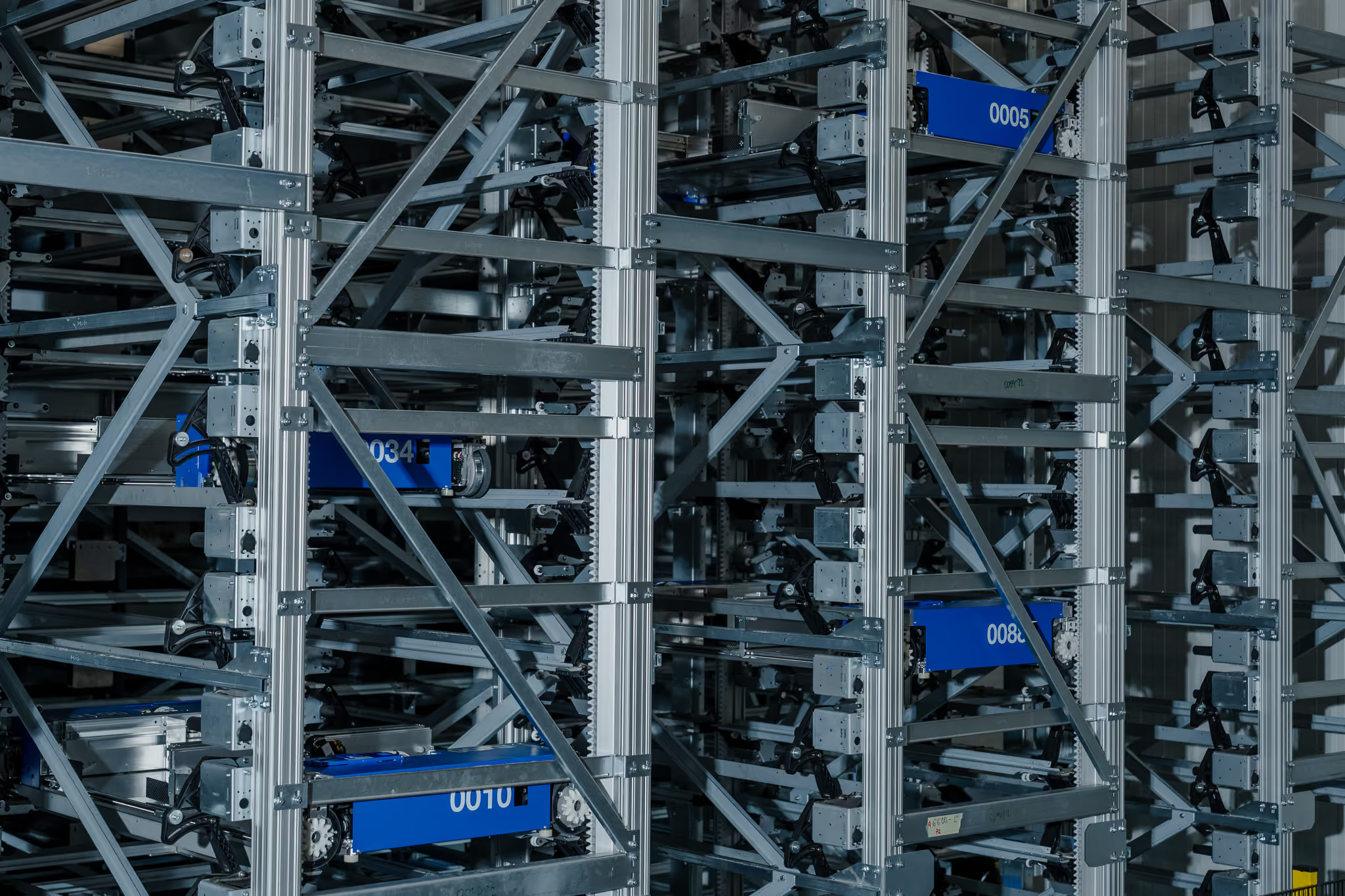
Together, these components create an integrated automation solution designed to support efficient storage, retrieval, and material handling.
The modular architecture also provides a foundation for adapting warehouse operations to changing requirements over time.
By combining autonomous movement, flexible storage infrastructure, and intelligent software, advasolutions offers businesses an alternative approach to conventional shuttle warehouse architectures.
The right shuttle system should do more than automate storage and retrieval processes. It should support operational efficiency today while providing the flexibility to meet tomorrow’s challenges.
When evaluating warehouse automation solutions, companies should consider system architecture, real-world performance, scalability, software integration, and long-term operating costs.
A solution that fits the existing operation and can adapt to future requirements creates a stronger foundation for sustainable warehouse development.
With autonomous 3D shuttle technology, a lift-free system architecture, and integrated warehouse execution software, advasolutions brings together the key elements of flexible and future-oriented intralogistics.
Contact our team to discuss your requirements, explore the possibilities of autonomous 3D shuttle technology, or arrange a demonstration of our solution.